


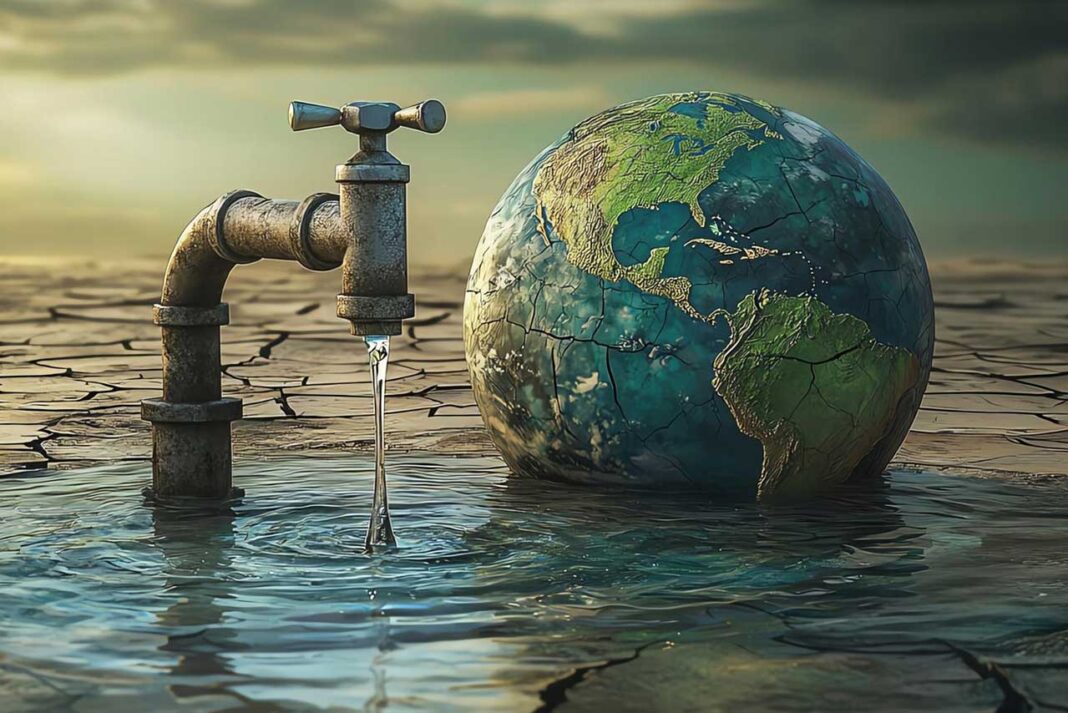
Freshwater scarcity is emerging as one of the most significant environmental challenges of the twenty-first century. While oceans cover much of the planet, only a tiny fraction of Earth’s water supply is suitable for drinking or agriculture.
Population growth, climate change, and industrial development are placing increasing pressure on freshwater systems. Rivers that once supported entire regions are shrinking. Groundwater reserves are being depleted faster than they can naturally replenish.
In parts of South Asia, farmers rely heavily on underground aquifers for irrigation. In the Middle East and North Africa, declining rainfall has intensified competition for water resources. Even regions historically considered water-rich are beginning to experience seasonal shortages.
Governments are exploring new strategies to manage the crisis. Desalination plants are expanding in coastal areas. Advanced irrigation techniques aim to reduce water waste in agriculture.
But long-term solutions will require more than technological innovation. Water management policies must balance economic development with environmental sustainability.
The growing scarcity of freshwater has the potential to reshape agriculture, migration patterns, and even geopolitical relations.