


Inside the Quiet Expansion of Artificial Intelligence into Everyday Life.
Artificial intelligence is often discussed in abstract terms, as though it exists primarily within the confines of research laboratories or technology companies.
In reality, it is already embedded in the routines of daily life, operating quietly in ways that most people rarely notice. It recommends what we watch, filters what we read, and assists in decisions that range from navigation routes to financial transactions. Increasingly, it is also learning to interpret the physical world. Cameras equipped with machine vision systems can now identify objects, recognize faces, and analyze patterns with a level of accuracy that approaches human perception in certain contexts.
This capability is expanding rapidly.
In healthcare, AI systems analyze medical images to detect early signs of disease. Radiologists use these tools to identify patterns that might otherwise go unnoticed, improving diagnostic accuracy.
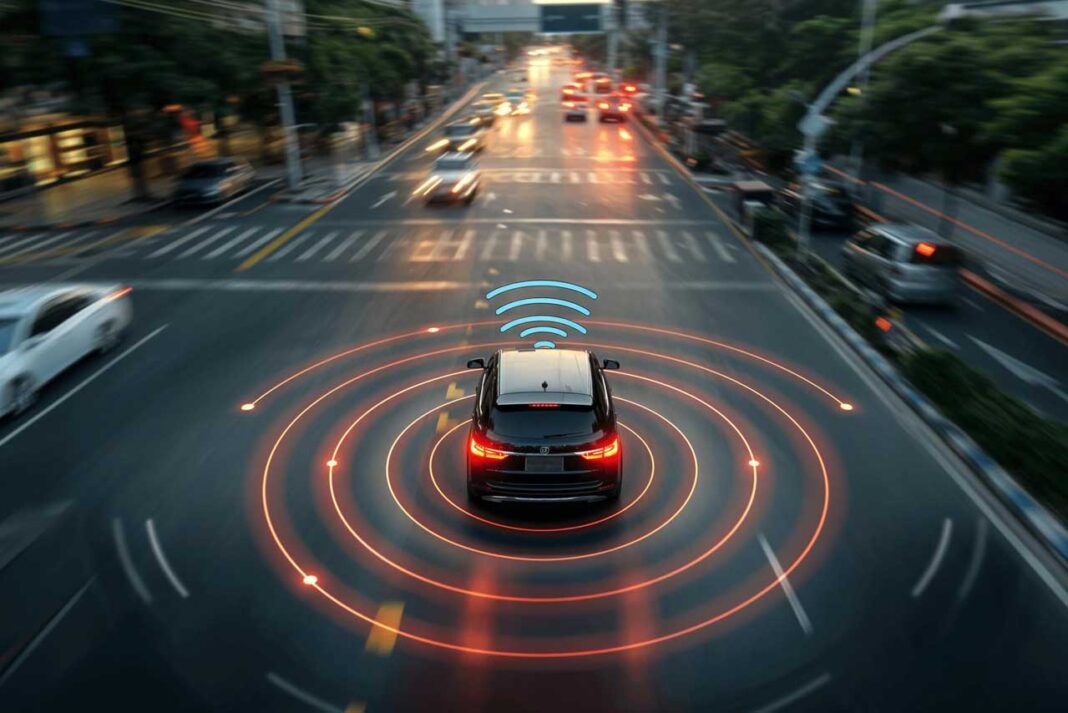
In transportation, autonomous driving systems rely on machine vision to interpret road conditions, track moving objects, and make split-second decisions. While fully autonomous vehicles are still under development, the underlying technology is advancing steadily.
Retail environments are also evolving.
Stores equipped with AI-powered cameras can monitor inventory, track customer behavior, and streamline checkout processes. The traditional experience of standing in line to pay for goods is gradually being replaced by automated systems that register purchases as customers leave.
The expansion of machine vision raises important questions.
Privacy concerns are at the forefront. Systems capable of identifying individuals in public spaces introduce new challenges for data protection and personal autonomy.
There are also questions of bias.
AI systems learn from data, and if that data reflects existing inequalities, the systems may replicate or even amplify those patterns.
Developers are working to address these issues through improved training methods and regulatory frameworks. Governments are beginning to establish guidelines governing how AI systems can be deployed in sensitive areas. Yet the pace of technological advancement continues to outstrip policy development.
The integration of AI into everyday life is not a future scenario.
It is a present reality.
What makes it remarkable is not just what the technology can do, but how seamlessly it is becoming part of the environment.
Machines are no longer simply tools. They are becoming observers.
And in learning to see the world, they are also changing how the world sees itself.