


How Women Are Quietly Rewiring Off-Grid Communities
In the dusty villages scattered across northern Kenya’s arid counties, electricity used to arrive only in rumors. People heard about it from relatives in cities or from government speeches broadcast over crackling radios. For generations, darkness arrived with the sunset. Kerosene lamps flickered in homes. Phone batteries died by mid-afternoon. Refrigeration was a luxury that existed somewhere else.
But in several communities stretching from Samburu to Turkana, the night is beginning to glow differently.
The transformation has not come from a national electrification campaign or from an international energy giant. Instead, it is unfolding through a quiet but rapidly expanding network of women-run solar cooperatives that are installing micro-power systems across villages the national grid may not reach for decades.
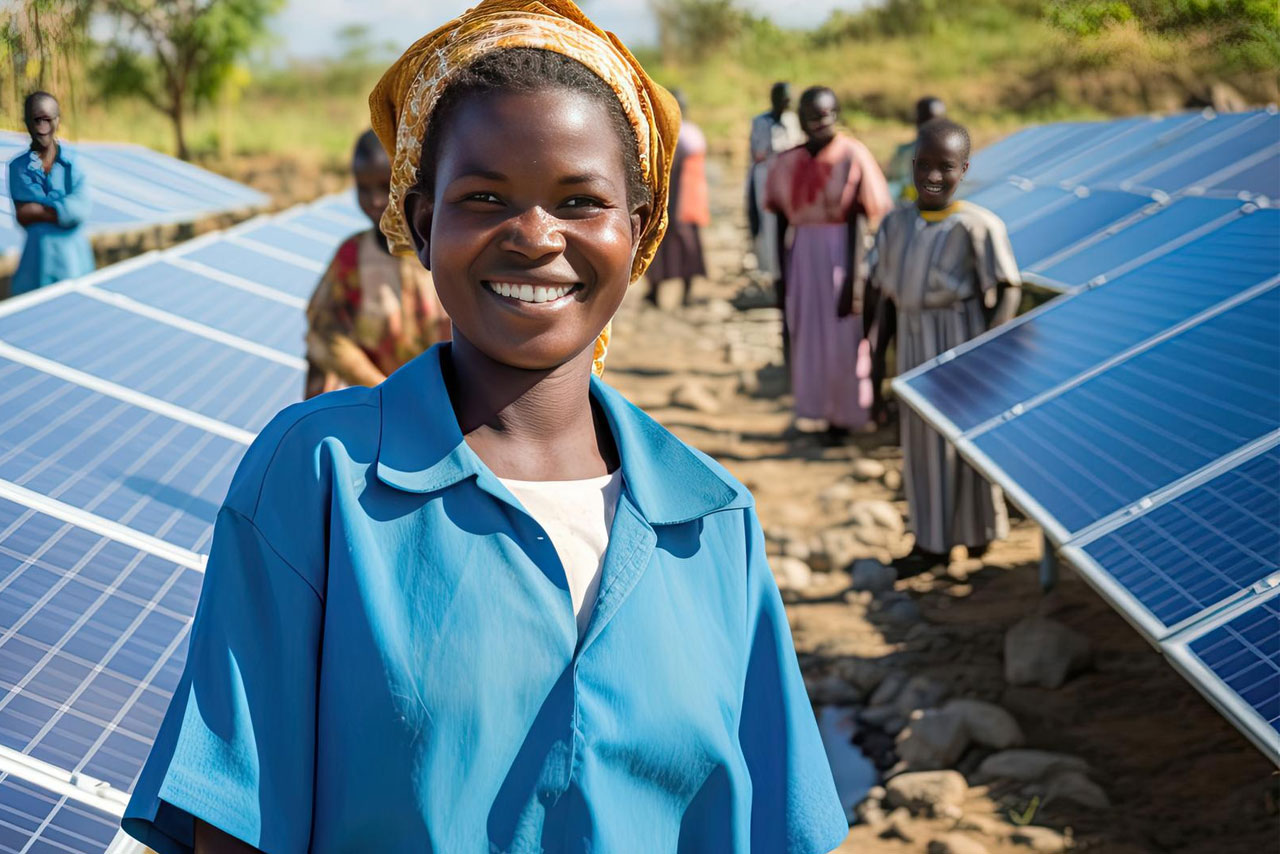
Locally, the movement has acquired a nickname: the Solar Sisterhood.
These women are not engineers in the conventional sense. Many began as shopkeepers, farmers, teachers, or community organizers. What they share is a determination to solve a problem that government infrastructure projects have repeatedly postponed.
In villages where roads are barely paved and power lines are nonexistent, waiting for centralized electricity can mean waiting forever.
So they decided to build their own.
The model is deceptively simple. Small groups of women pool resources to purchase solar panels, battery units, and charge controllers from wholesalers in larger towns such as Isiolo or Marsabit. They transport the equipment back to their villages on motorcycles, trucks, or sometimes donkey carts.
Once installed, the panels feed into compact battery systems capable of powering several homes or businesses. Households pay small subscription fees for access to electricity. The money flows back into the cooperative, allowing it to purchase additional panels and expand capacity.
The result is a decentralized grid that grows organically.
At first, the systems powered only a handful of lights. But as installations spread, their impact expanded far beyond illumination.
Phone charging stations emerged as the earliest micro-enterprises. In regions where mobile money platforms such as M-Pesa dominate daily commerce, keeping a phone charged is not merely convenient. It is essential to participating in the modern economy.
Soon after came refrigeration.
Small solar-powered fridges allowed local clinics to store vaccines and medicines safely. Food vendors began selling chilled drinks and dairy products. Fishermen operating near Lake Turkana discovered they could preserve their catch longer before transporting it to markets.
Electricity reshaped evening life as well.
Children who previously studied by dim kerosene lamps suddenly had bright LED lighting. Adult education classes began meeting after sunset. In some villages, solar lighting extended market hours, turning small trading posts into vibrant night markets.
Energy poverty, it turned out, had been quietly constraining everything from education to entrepreneurship.
What makes the Solar Sisterhood especially remarkable is that it operates outside many traditional development frameworks. International aid projects often deliver solar equipment directly to communities as part of humanitarian programs. Those initiatives can produce immediate benefits, but they sometimes struggle with maintenance, local ownership, and long-term sustainability.
The cooperative model solves those challenges differently.
Because the systems are purchased collectively and operated as businesses, there is strong local incentive to maintain and expand them. When batteries fail or panels require cleaning, the women managing the systems respond quickly. Their income depends on reliability.
And reliability builds trust.
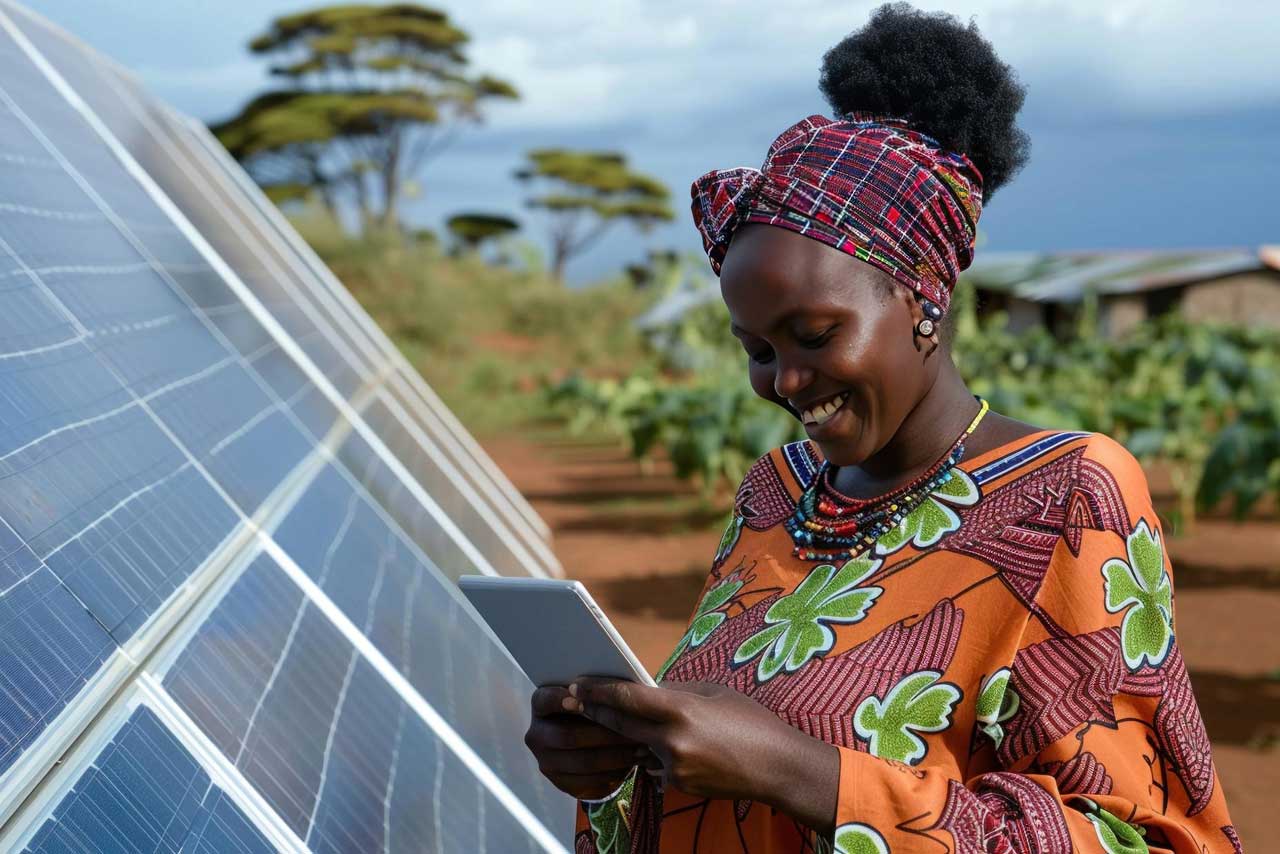
In several counties, the cooperatives have become respected economic institutions. Local governments are beginning to recognize their role in energy development, occasionally providing small grants or training workshops.
The Solar Sisterhood also reflects a broader pattern emerging across parts of Africa: decentralized infrastructure is often advancing faster than centralized systems.
Mobile banking, for example, leapfrogged traditional banking infrastructure. Off-grid solar may be doing something similar with energy.
Large national grids require massive capital investment and long construction timelines. Micro-grids can appear almost overnight.
But the story is not purely technological.
For many participants, the deeper transformation is social.
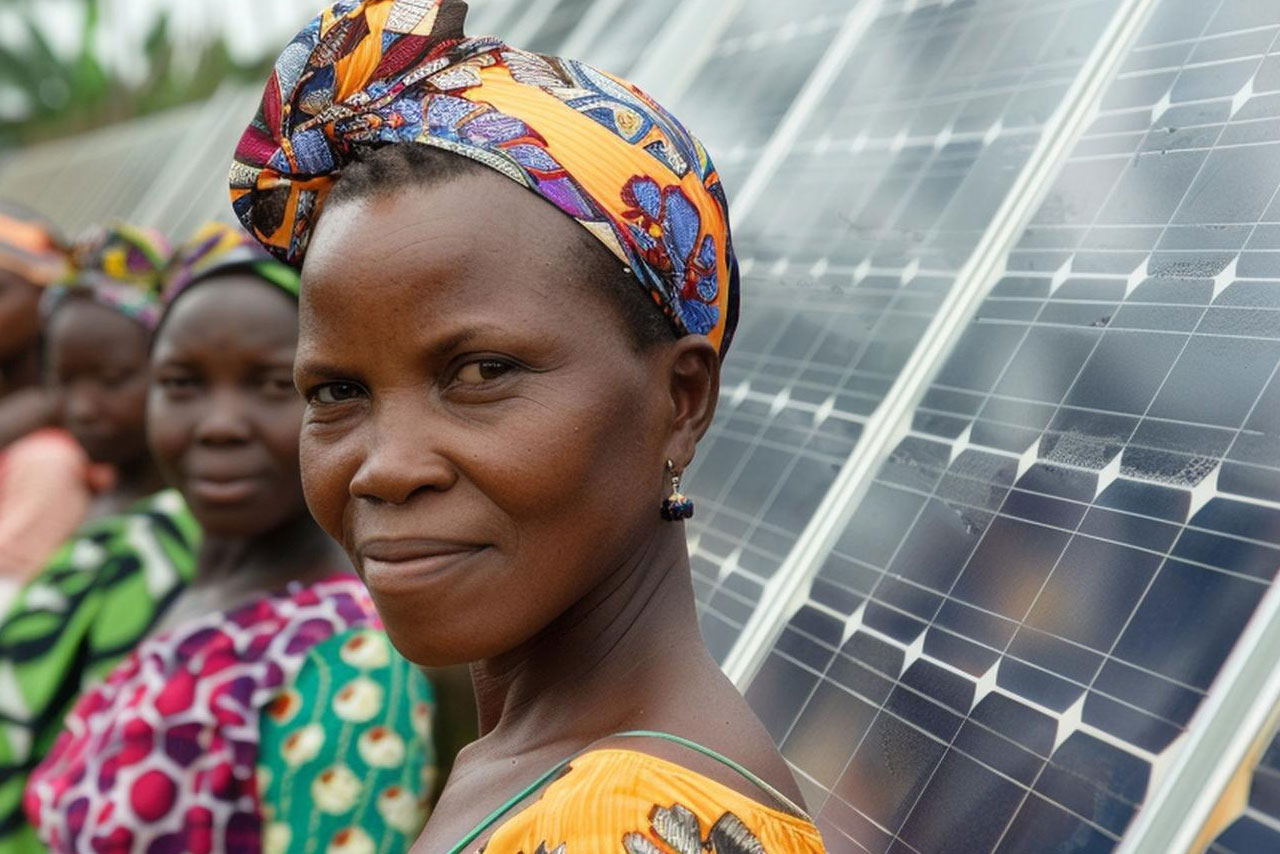
In communities where men have traditionally dominated financial decisions, women managing energy cooperatives are gaining unprecedented economic influence. They negotiate supply contracts, manage revenue streams, and coordinate expansion plans.
In some villages, cooperative leaders have become prominent political voices advocating for improved roads, schools, and healthcare.
Energy, in other words, has become a gateway to broader civic participation.
Despite the momentum, challenges remain. Equipment costs are still high relative to rural incomes. Battery storage technology remains expensive and must be replaced periodically. Extreme heat and dust can degrade panels over time.
Yet the cooperatives continue to expand.
Their success offers a glimpse of what the future of energy development might look like in regions where centralized infrastructure struggles to keep pace with demand.
Rather than waiting for electricity to arrive from distant power plants, communities are building it themselves.
The revolution is not loud. It unfolds panel by panel, battery by battery, village by village.
But across northern Kenya, the night is no longer quite as dark as it once was.
And the architects of that light are women who refused to wait.

