

The last time the world faced an oil shock of this magnitude, it was 1973, and the result was a decade of stagflation the toxic combination of high inflation, low growth, and persistent unemployment. Economic historians are now warning that the current crisis could be worse.
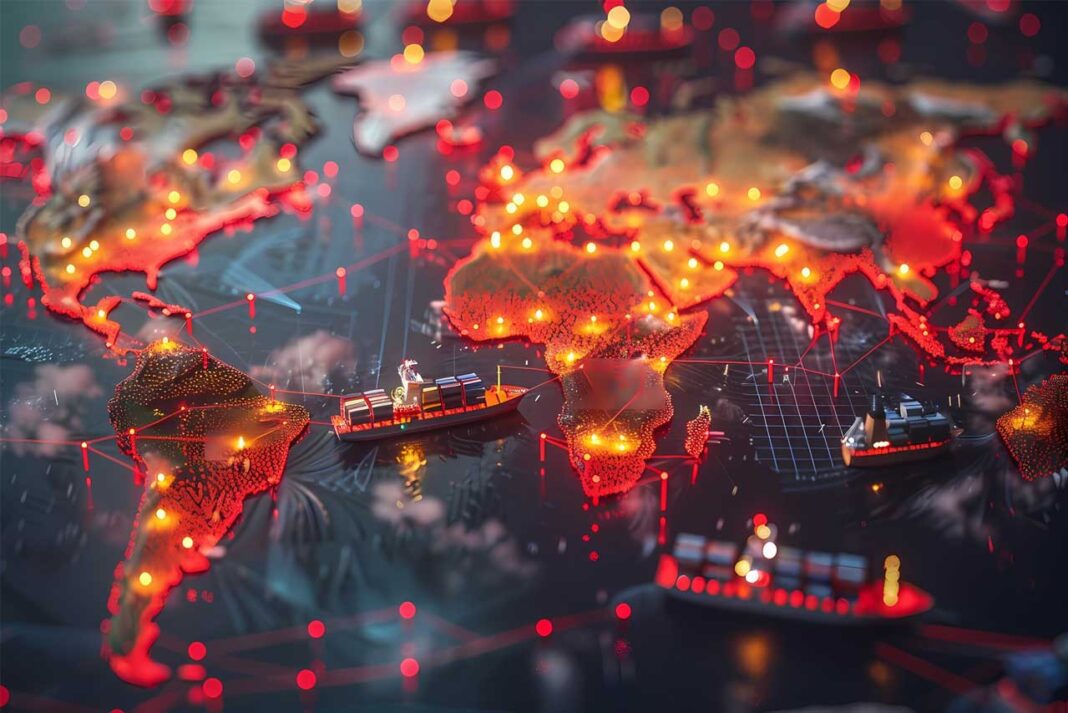
The unique characteristics of the 2026 oil shock make it particularly dangerous. Unlike previous disruptions, which were typically caused by production cuts that could be reversed, the current crisis is a supply chain crisis: oil is being produced, but it cannot be transported. Hundreds of tankers sit idle in the Persian Gulf, their cargoes inaccessible to global markets. Refineries in Asia and Europe are running at reduced capacity, unable to secure the crude they need.
The consequences are already visible. The Philippines has declared a national energy emergency. South Korea has launched a nationwide conservation campaign. European chemical plants, which rely on petrochemical feedstocks, are cutting production. Fertilizer prices are spiking, threatening global food supplies.
Economists at Morgan Stanley project that if the conflict continues through May, Brent crude could average $114 per barrel in the second quarter, with a gradual decline to $95 in the third but only if the strait reopens. If the closure extends into summer, the firm warns of a global recession.
The Federal Reserve and other central banks face an impossible choice: raise interest rates to combat inflation and risk triggering a recession, or hold steady and watch prices spiral. Dallas Fed President Lorie Logan offered a note of cautious optimism this week, but acknowledged that “the economic outlook was uncertain due to the crisis”.
For ordinary citizens, the crisis is already personal. Gasoline prices have doubled in many countries. Heating bills are soaring. Food prices are following. And for the first time since the 1970s, economists are using the S-word again: stagflation.
As one European Central Bank official put it, speaking on condition of anonymity: “We are in uncharted territory. The tools we have were designed for a different era. We are learning as we go.”